 08045804946
 Send Inquiry



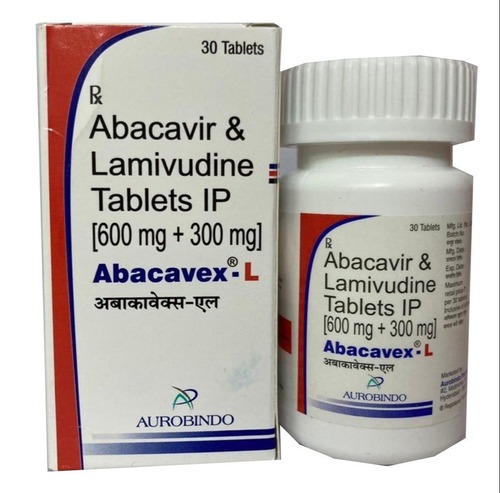
Abacavir and Lamivudine tablets
2400 INR/Bottle
Product Details:
- Dosage Form Tablet
- Salt Composition Abacavir 600 mg + Lamivudine 300 mg
- Indication HIV infection
- Enzyme Types N/A (Antiretroviral Drugs)
- Feature Fixed-dose combination, once-daily dosing
- Ingredients Abacavir, Lamivudine, Excipients
- Application Treatment of HIV-1 infection in adults and adolescents
- Click to View more
X
Abacavir and Lamivudine tablets Price And Quantity
- 2400 INR/Bottle
- 5 Bottle
Abacavir and Lamivudine tablets Product Specifications
- HIV infection
- Abacavir, Lamivudine, Excipients
- Fixed-dose combination, once-daily dosing
- 24 months
- Film-coated, oval-shaped tablet
- Abacavir 600 mg + Lamivudine 300 mg
- Store below 30°C, keep in original packaging to protect from moisture
- N/A (Antiretroviral Drugs)
- Tablet
- Treatment of HIV-1 infection in adults and adolescents
- Microcrystalline cellulose, sodium starch glycolate, magnesium stearate, etc.
- WHO prequalified/Various regulatory approvals
- Screen for HLA-B*5701 allele before administration, monitor for signs of hypersensitivity and lactic acidosis
- Nucleoside Reverse Transcriptase Inhibitors (NRTIs)
- 600 mg Abacavir + 300 mg Lamivudine
- Prescription Only
- Oral
- Blister Pack or Bottle (as per market availability)
- Hypersensitivity to abacavir or lamivudine
Abacavir and Lamivudine tablets Trade Information
- Cash Advance (CA), Cash in Advance (CID)
- 1000 Bottle Per Week
- 4 Days
- Asia, Australia, Central America, North America, South America, Eastern Europe, Western Europe, Middle East, Africa
- , All India, South India, Central India, West India, North India, East India, Gujarat, Karnataka, Kerala, Lakshadweep, Mizoram, Meghalaya, Manipur, Andhra Pradesh, Bihar, Chandigarh, Daman and Diu, Goa, Jharkhand, Odisha, Punjab, Assam, Delhi, Dadra and Nagar Haveli, Andaman and Nicobar Islands, Arunachal Pradesh, Chhattisgarh, Haryana, Himachal Pradesh, Jammu and Kashmir, Madhya Pradesh, Maharashtra, Nagaland, Rajasthan, Sikkim, Tamil Nadu, Telangana, Tripura, Pondicherry, Uttar Pradesh, Uttarakhand, West Bengal
Product Description
The combination of Abacavir and Lamivudine is a commonly prescribed antiretroviral medication used in the treatment of HIV (human immunodeficiency virus) infection. This combination is often provided in a fixed-dose tablet to simplify the treatment regimen for individuals living with HIV.
Here are some key points about Abacavir and Lamivudine tablets:
-
Abacavir:
- Abacavir is a nucleoside reverse transcriptase inhibitor (NRTI).
- It inhibits the reverse transcriptase enzyme, disrupting the replication of the HIV virus.
- Abacavir is often used in combination with other antiretroviral drugs as part of a comprehensive HIV treatment plan.
-
Lamivudine:
- Lamivudine is also a nucleoside reverse transcriptase inhibitor (NRTI).
- It inhibits the reverse transcriptase enzyme, preventing the replication of the HIV virus.
- Like Abacavir, Lamivudine is commonly used in combination therapy for HIV.
Key points about Abacavir and Lamivudine tablets:
-
Indications: This combination is used for the treatment of HIV-1 infection in adults and pediatric patients.
-
Dosage: The typical dosage involves taking one tablet orally once or twice daily, as prescribed by a healthcare professional. The specific dosage may vary based on the individual's health condition and overall HIV treatment plan.
-
Adherence: Adherence to the prescribed regimen is crucial for the effectiveness of HIV treatment. Missing doses or not taking the medication as directed can lead to reduced efficacy and the development of drug resistance.
-
Hypersensitivity: Before starting this medication, individuals are typically screened for the HLA-B*5701 allele, as individuals carrying this allele have an increased risk of a severe hypersensitivity reaction to abacavir.
-
Side Effects: Potential side effects may include nausea, headache, and fatigue. It's important to report any severe or persistent side effects to a healthcare provider.
-
Pregnancy: The use of this combination during pregnancy should be discussed with a healthcare provider, taking into consideration the potential risks and benefits.
Individuals prescribed with Abacavir and Lamivudine tablets should follow the guidance of their healthcare provider, undergo regular monitoring, and communicate any concerns or side effects experienced during the treatment. As always, individual circumstances may vary, and healthcare providers can provide personalized information based on the patient's medical history and needs
Convenient Fixed-Dose Combination
Abacavir and Lamivudine tablets offer the advantage of once-daily dosing, making HIV management more straightforward and improving adherence to therapy. By combining two effective nucleoside reverse transcriptase inhibitors in a single tablet, the regimen simplifies treatment and supports consistent viral suppression in adults and adolescents.
Stringent Safety Measures and Monitoring
Before starting Abacavir and Lamivudine, it is crucial to screen for the HLA-B*5701 allele to minimize the risk of hypersensitivity. Patients must be monitored regularly for signs of hypersensitivity and lactic acidosis. Contraindicated in individuals allergic to either active ingredient, these precautions underscore the commitment to patient safety.
FAQ's of Abacavir and Lamivudine tablets:
Q: How should Abacavir and Lamivudine tablets be taken for HIV treatment?
A: Abacavir and Lamivudine tablets are intended for oral administration, typically taken once daily, as prescribed. It is important to follow your healthcare provider's instructions regarding dosage and timing to ensure optimal effectiveness.Q: What are the key advantages of using this fixed-dose combination tablet?
A: The main benefits include simplified once-daily dosing and the convenience of two antiretroviral agents in a single tablet, which can help improve adherence and overall treatment outcomes for people living with HIV-1.Q: When should I avoid using Abacavir and Lamivudine tablets?
A: These tablets should not be used if you have a known allergy or hypersensitivity to abacavir, lamivudine, or any formulation components. Screening for HLA-B*5701 allele is also essential to avoid severe hypersensitivity reactions.Q: Where should I store Abacavir and Lamivudine tablets?
A: Store the tablets below 30C in their original packaging to protect them from moisture and maintain product stability. Ensure they are kept out of reach of children.Q: What precautions are necessary prior to starting this medication?
A: Patients should undergo screening for the HLA-B*5701 allele before administration. Close monitoring for hypersensitivity reactions and symptoms of lactic acidosis is recommended during treatment.Q: How does this medication work to treat HIV infection?
A: Abacavir and Lamivudine are nucleoside reverse transcriptase inhibitors (NRTIs), which work together to block the replication of HIV within the body. This helps reduce the viral load and supports immune system recovery.Tell us about your requirement

Price:
Quantity
Select Unit
- 50
- 100
- 200
- 250
- 500
- 1000+
Additional detail
Mobile number
Email

Other Products in 'HIV Medicines' category



 Contact Us
- Office No. - 5, Ground Floor, D R Shopping Center, Dattapada Road, Near Hdfc Bank, Borivali East,Mumbai - 400066, Maharashtra, India
- Phone : 08045804946

- Mr Ranjeet Singh (CEO & Founder)
- Mobile : 08045804946
- medisus.pharma007@gmail.com

 Send Inquiry
 Send SMS
MEDISUS PHARMA
All Rights Reserved.(Terms of Use)
Developed and Managed by Infocom Network Private Limited.
Developed and Managed by Infocom Network Private Limited.

