 08045804946
 Send Inquiry



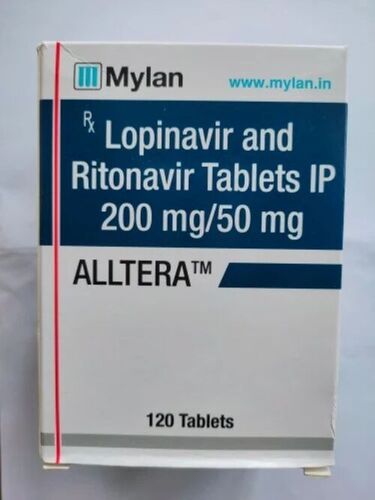
Lopinavir and Ritonavir
3099 INR/Bottle
Product Details:
- Indication Used in the management of HIV infection
- Salt Composition Lopinavir (200mg) + Ritonavir (50mg)
- Dosage Form Tablets
- Enzyme Types Protease Inhibitor
- Feature Fixed dose combination for ease of use
- Ingredients Lopinavir and Ritonavir active pharmaceutical ingredients, excipients
- Application Antiretroviral therapy
- Click to View more
X
Lopinavir and Ritonavir Price And Quantity
- 3099 INR/Bottle
- 5 Bottle
Lopinavir and Ritonavir Product Specifications
- 24-36 months depending on manufacturer
- Odorless or characteristic
- Fixed dose combination for ease of use
- Lopinavir (200mg) + Ritonavir (50mg)
- Store below 30°C, protect from moisture
- Tablets
- Antiretroviral therapy
- Used in the management of HIV infection
- Not applicable (pharmaceutical, not an enzyme bioproduct)
- Lopinavir and Ritonavir active pharmaceutical ingredients, excipients
- Protease Inhibitor
- White to off-white tablets
- 60 tablets per bottle
- WHO Prequalified/USFDA Approved or as per manufacturer
- Diarrhea, nausea, vomiting, hyperlipidemia
- Prescription only
- Oral
- Hypersensitivity to any component, severe hepatic impairment
Lopinavir and Ritonavir Trade Information
- 1000 Bottle Per Week
- 4 Days
- Asia, Australia, Central America, North America, South America, Eastern Europe, Western Europe, Middle East, Africa
- All India, South India, Central India, West India, North India, East India, Gujarat, Karnataka, Kerala, Lakshadweep, Mizoram, Meghalaya, Manipur, Andhra Pradesh, Bihar, Chandigarh, Daman and Diu, Goa, Jharkhand, Odisha, Punjab, Assam, Delhi, Dadra and Nagar Haveli, Andaman and Nicobar Islands, Arunachal Pradesh, Chhattisgarh, Haryana, Himachal Pradesh, Jammu and Kashmir, Madhya Pradesh, Maharashtra, Nagaland, Rajasthan, Sikkim, Tamil Nadu, Telangana, Tripura, Pondicherry, Uttar Pradesh, Uttarakhand, West Bengal
Product Description
Here's what each component does:
-
Lopinavir: Lopinavir is a protease inhibitor. It works by inhibiting the activity of the protease enzyme, which is necessary for HIV replication. By blocking this enzyme, lopinavir helps to reduce the amount of HIV in the body, slowing down the progression of the disease.
-
Ritonavir: Ritonavir is also a protease inhibitor, but it's primarily used as a "booster" medication. It works by inhibiting an enzyme in the liver that metabolizes lopinavir, thereby increasing the levels of lopinavir in the blood. Ritonavir does not have significant antiviral activity on its own but enhances the effectiveness of lopinavir when used together.
The combination of lopinavir and ritonavir is often used as part of antiretroviral therapy (ART) for the treatment of HIV infection in adults and children. It's usually taken orally in tablet form.
As with any medication, it's important to take Alltera (lopinavir/ritonavir) exactly as prescribed by your healthcare provider. Skipping doses or not taking the medication as directed can lead to decreased effectiveness and potential development of drug resistance.
Additionally, be aware of potential side effects, and discuss any concerns with your healthcare provider. Common side effects of lopinavir/ritonavir may include gastrointestinal symptoms, changes in blood lipid levels, and interactions with other medications.
If you have any questions or concerns about Alltera (lopinavir/ritonavir) or its use, it's best to consult with your healthcare provider or pharmacist for personalized advice.
Fixed-Dose Combination for HIV Management
Lopinavir and Ritonavir tablets offer an effective and convenient approach for patients undergoing antiretroviral therapy. The fixed-dose combination simplifies medication regimens, helping users maintain adherence, which is crucial for managing HIV infection. Because it is prequalified by agencies like WHO and USFDA, this treatment supports global standards in patient care.
Convenient and Reliable Packaging
Packaged as 60 tablets per bottle, these medications provide sufficient supply for ongoing therapy. The tablets' stable white to off-white appearance and odorless or characteristic smell ensure a consistent user experience. With a shelf life up to 36 months and easy-to-follow storage instructions, these tablets are well-suited for healthcare providers and patients alike.
FAQ's of Lopinavir and Ritonavir:
Q: How should Lopinavir and Ritonavir tablets be taken for best results?
A: Lopinavir and Ritonavir tablets should be taken orally as prescribed by a healthcare professional, typically as part of a broader antiretroviral therapy regimen for managing HIV infection. Follow your doctor's instructions regarding dosage and timing to achieve optimal therapeutic benefit.Q: What are the main benefits of using this fixed-dose combination?
A: The fixed-dose combination of Lopinavir and Ritonavir provides the advantage of reducing pill burden, thereby simplifying treatment regimens. This increased convenience helps improve adherence, which is vital for effective HIV management.Q: When should Lopinavir and Ritonavir not be used?
A: This medication is contraindicated in individuals with known hypersensitivity to any of its components and those with severe hepatic impairment. Consult your healthcare provider to ensure it is suitable for your medical condition before starting therapy.Q: What possible side effects should users be aware of?
A: Some patients may experience side effects like diarrhea, nausea, vomiting, or hyperlipidemia. If you notice any severe or persistent symptoms, contact your healthcare provider promptly for guidance.Q: Where should the tablets be stored to maintain their quality?
A: Store the tablets below 30C, away from moisture and direct sunlight. Proper storage helps preserve their effectiveness throughout their shelf life, which ranges from 24 to 36 months, depending on the manufacturer.Q: What is the regulatory status of Lopinavir and Ritonavir tablets supplied in India?
A: These tablets are either WHO prequalified or USFDA approved, or their status aligns with the manufacturer's specifications. This ensures compliance with stringent global or national pharmaceutical standards.Tell us about your requirement

Price:
Quantity
Select Unit
- 50
- 100
- 200
- 250
- 500
- 1000+
Additional detail
Mobile number
Email

Other Products in 'HIV Medicines' category



 Contact Us
- Office No. - 5, Ground Floor, D R Shopping Center, Dattapada Road, Near Hdfc Bank, Borivali East,Mumbai - 400066, Maharashtra, India
- Phone : 08045804946

- Mr Ranjeet Singh (CEO & Founder)
- Mobile : 08045804946
- medisus.pharma007@gmail.com

 Send Inquiry
 Send SMS
 Call Me Free
MEDISUS PHARMA
All Rights Reserved.(Terms of Use)
Developed and Managed by Infocom Network Private Limited.
Developed and Managed by Infocom Network Private Limited.

